Follow the control that applies to you
Drivers, people riding bicycles, and pedestrians must follow an applicable official traffic-control device unless an authorized officer directs otherwise.
Read RCW 46.61.050Washington permit test study topic
A sign or signal can change what a driver must do in the same roadway situation. Start by identifying the official traffic control that applies, then read the conditions around it.
Take the free 20-question previewOriginal study material based on current Washington laws. Independent resource; not affiliated with Washington DOL.
Sign recognition
Start with the shape and color, then read the word, number, or symbol before deciding what the sign requires.
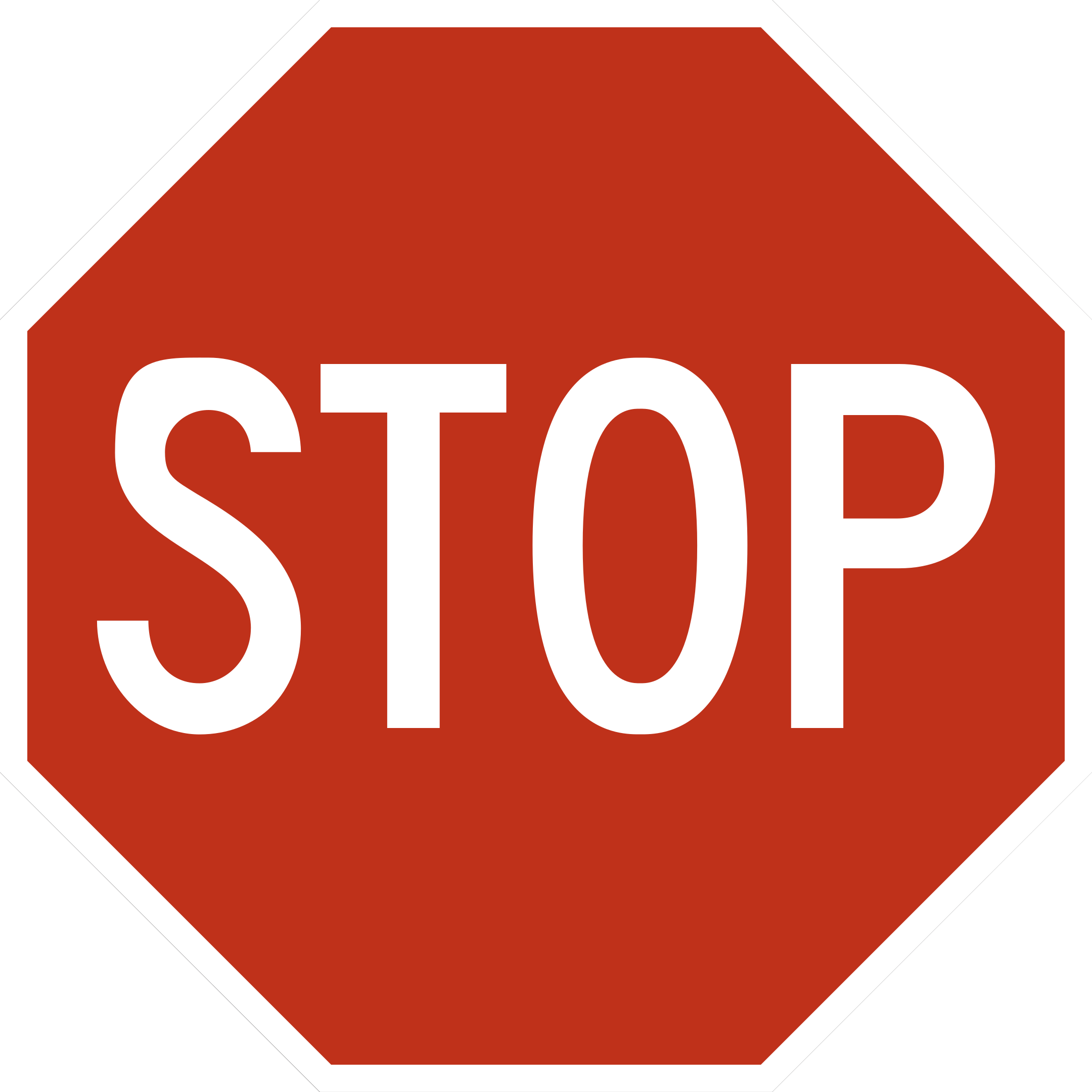
The eight-sided shape makes a STOP sign distinctive before you read the word.
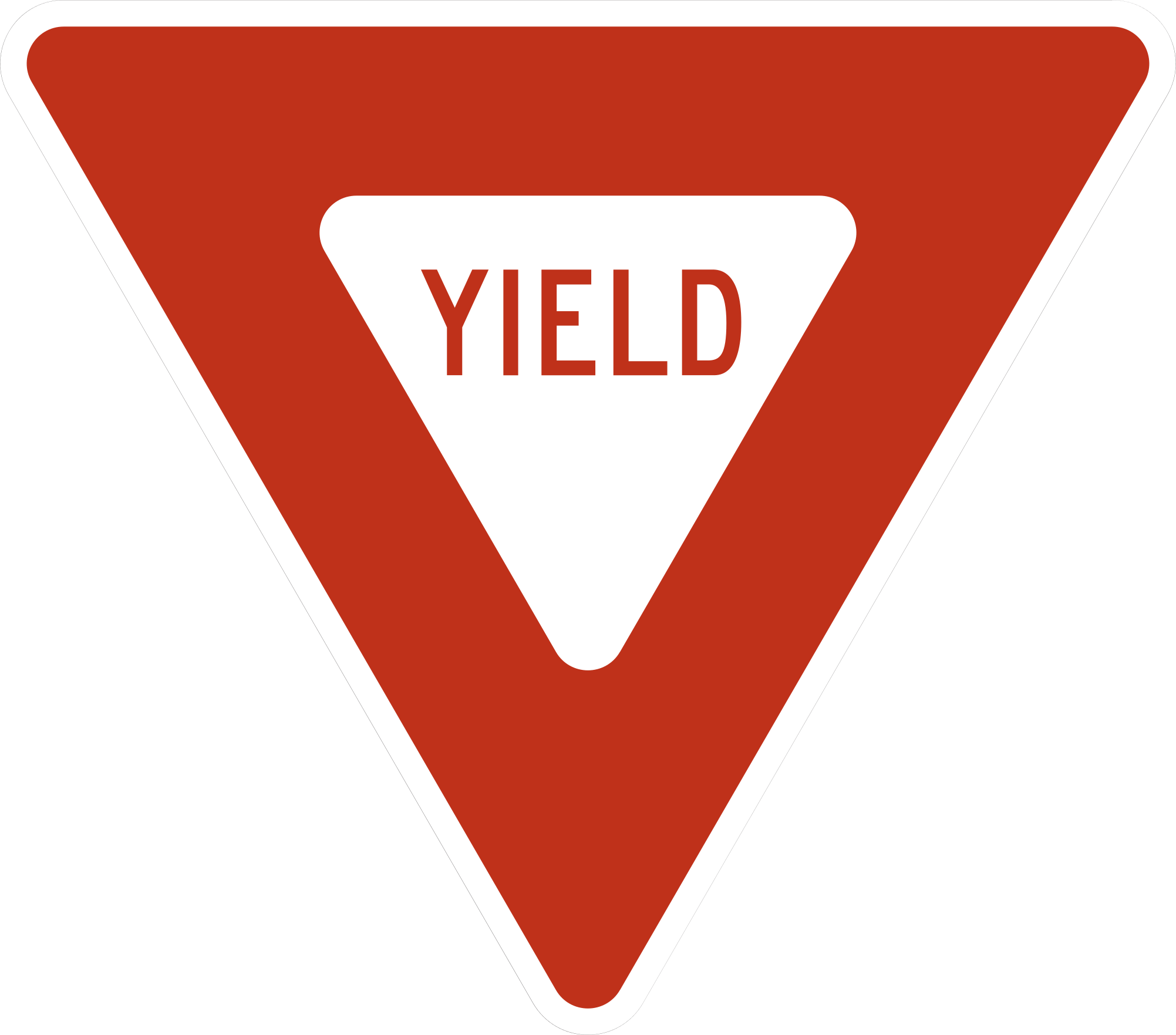
The downward-pointing triangle gives a YIELD sign its recognizable outline.
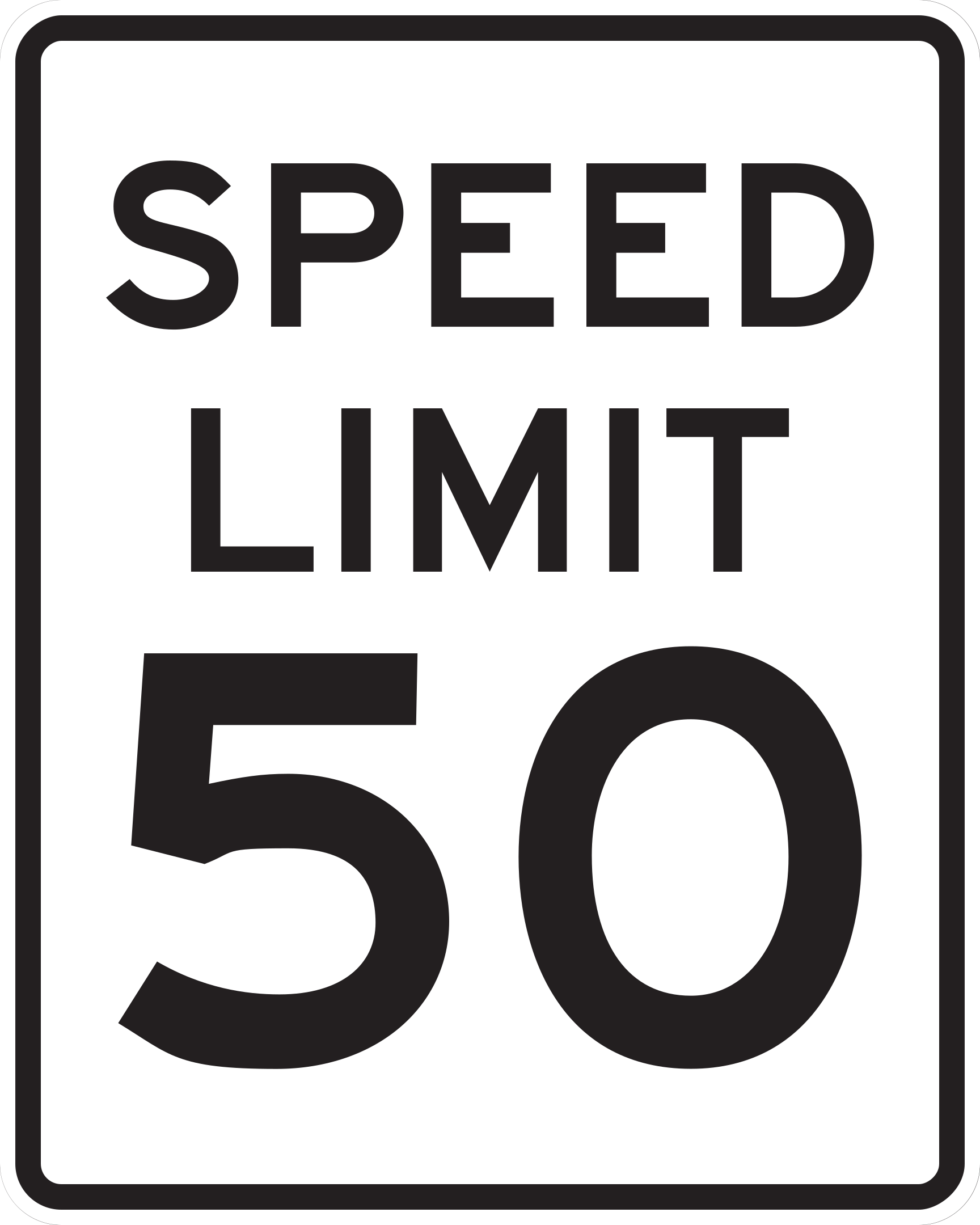
The posted number is the essential detail on this rectangular regulatory sign.
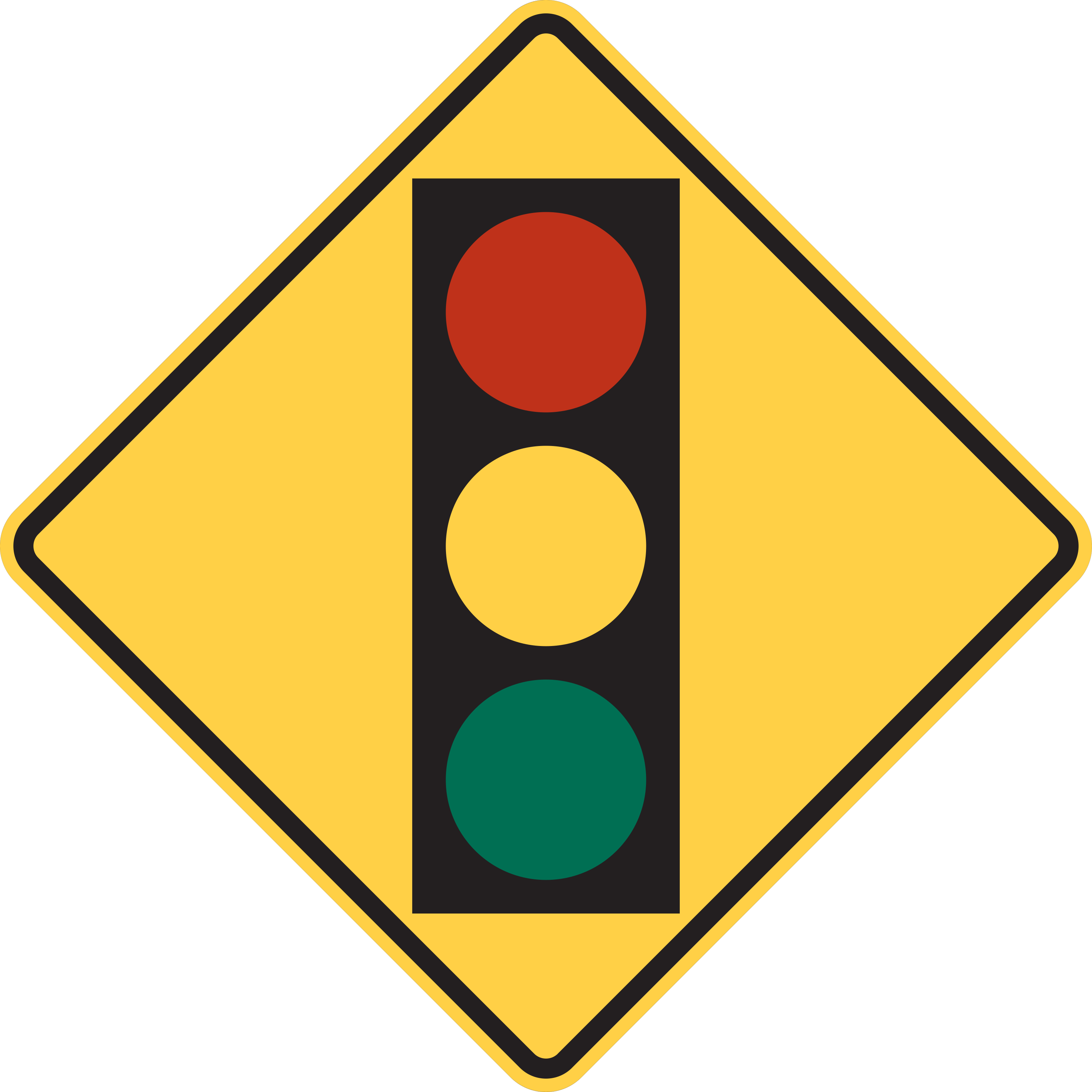
The yellow diamond warns that a traffic signal is ahead.
Official sign artwork: FHWA Standard Highway Signs, 2024 Release 3
State-specific details
Shape recognition is only the first step. Washington law also defines who must follow a control and what different signal systems mean.
Sources checked July 28, 2026
Drivers, people riding bicycles, and pedestrians must follow an applicable official traffic-control device unless an authorized officer directs otherwise.
Read RCW 46.61.050A WALK symbol permits a pedestrian to begin crossing. A steady or flashing hand means do not enter, while drivers must still stop for someone who lawfully began crossing earlier.
Read RCW 46.61.060When lane-direction signals are operating, a green indication opens the lane to travel and a red indication means do not enter or use that lane.
Read RCW 46.61.070Primary sources
Chapter 46.61 RCW addresses obedience to applicable official traffic-control devices and also contains provisions for pedestrian and lane-direction-control signals. Use the current official text when a signal, symbol, or exception matters.
Put it into practice
The no-account preview helps you practice identifying the applicable rule and checking the source-linked explanation.